more books
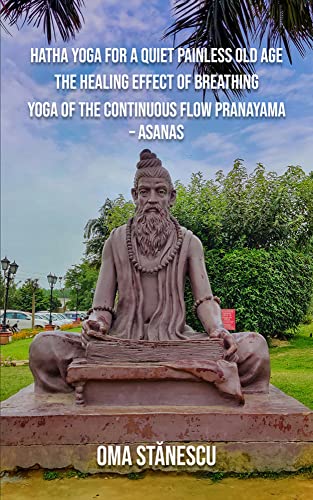
After completing the reconnection course with Dr. Eric Pearl, in July 2015 I discovered that the Universe is sending me vibrations for an entire yoga session. As the joint pain in which I was struggling was unbearable, I followed the thread of the asanas that were transmitted to me, with proper breathing and the result was that I got rid of the pain and the cane that I wore for thirteen years.
This memoir consists of a real sequence of events from the life of some characters living in a secluded Romanian Danubian town, who strive to look different from the rest of the world. If the personages of this book manage to overcome the barriers of their own mentality and to overcome themselves, to be better than they really are, to transcend what they were, what they don’t recognize to be in the past and what they believe they are in the course of our story, if pertinent life conclusions can be drawn from the facts related here, it is up to the readers to have a say in the matter, to whom we wish a pleasant reading! The author
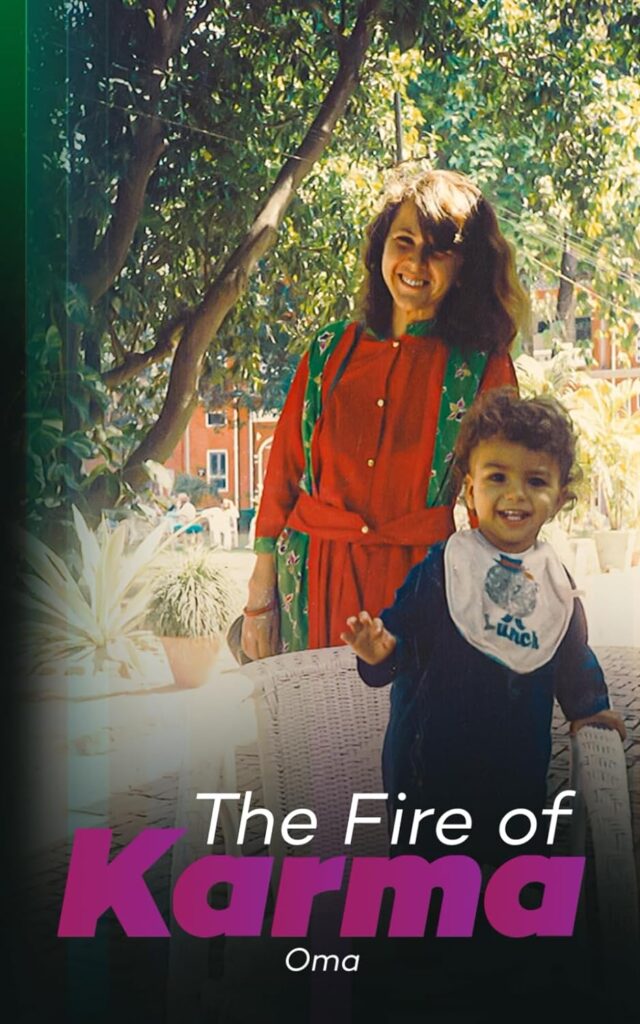
“The book is written in first person, the autobiographical material is in an unconcealed form, it would say that is a diary from which a calendar dating was removed.
Yet we cannot find log for the utterance and the generalised force, shaping the characters and the final significance of their lives takes that step on symbolisation, which gives the status of artistic prose to a story.
The novel begins as a letter from the mother to her son, a complaint, or justification. It has a testamentary and pedagogically sound, rather than confessional: “My little one, I will tell you a sad story, which happened just before you were born””.
Vasile Andru
This novel is about a woman’s inner and outer struggles in an adrift society, a society which lost its decency, governed by money and pleasures, where the genuine feelings and sentiments are tramped over, as garbage. As the Romanian writer critic Vasile Andru puts in: “There is a realism in Oma Stanescu that is close to unbearable. Along with her disarming sincerity, we find a prose that symbolizes, a percussive phrase, with a special syntax and a power of “photographing” the language. Regarding the love relationship in the book, beauty and bitterness intertwine. The meeting with the man, who initially presents himself in the form of the archetype of the groom, fails in the superficiality with which the partner understands to treat his woman, exclusively from the perspective of sexual engagement. We are thus dealing with quite a drama frequency today, in which love is no longer that mystical whisper, often things degenerate into brutality. All this intertwining of eloquently evoked facts and sentiments make Oma a writer of considerable scope.
In life we make many mistakes and probably the biggest mistake is that we choose as our partners those who make us suffer the most… But we learn from mistakes, get up and move on.
This book is a desperate cry of a woman who has always wanted to love and be loved, but who turned her gaze more towards the world, instead of hoping in the boundless Love of God.
Oma Stanescu
No matter how much we try to influence the events of life, to find our happiness in this ephemeral world, in which we cannot expect happy endings, because everything concludes on the edge of the grave, or in the flames of cremation – the wisdom of old age helps us to give up on frivolities and listen to the song of the soul, the music of the spheres and to realize that life is rather a lesson that we must leam, before stepping into non-existence. Giving up doesn’t necessarily mean resigning ourselves, but rather realizing that we’re fighting like Don Quixote against windmills. Of course, we have to struggle for a decent living, but the happiness that is expected from fulfilling worldly love is, in most cases, a way to get drunk with plain water. In fact, this is the nature of the human mind: always chasing new beautiful faces and fresh, cool experiences.
“Until death do us part has become a cynical thing, a banal sen-tence, a kind of scarecrow even. All their life people hope, when they die, they still hope and do not know what they hoped for. Only our deeds would speak for us, both here, on earth, and in the depths of eternity.
The Smoldering Lovers is an autobiographical novel that continues Oma Stnescu’s cycle of works, following The Fire of Karma, Love Spell, and others. It blends personal experience, cultural critique, and dramatic storytelling into a deep emotional narrative.
At its core, the novel portrays the tumultuous relationship between Oma, a Romanian woman, and Manas, an Indian man whose charisma and spiritual image mask a life of deceit, infidelity, and emotional abuse. Their love begins with passion and promises of peace, but quickly unravels into poverty, betrayal, and humiliation.
Themes of betrayal and suffering:
Manas embodies selfishness and lust, hiding behind a spiritual façade while pursuing multiple affairs with patients, disciples, and acquaintances. His manipulations leave Oma caught between shame, devotion, and despair.
Cultural contrasts:
The story moves between Romania and India, contrasting post-communist Romanian struggles with corruption and poverty against Indian spiritual traditions—often corrupted by hypocrisy and sexual exploitation.
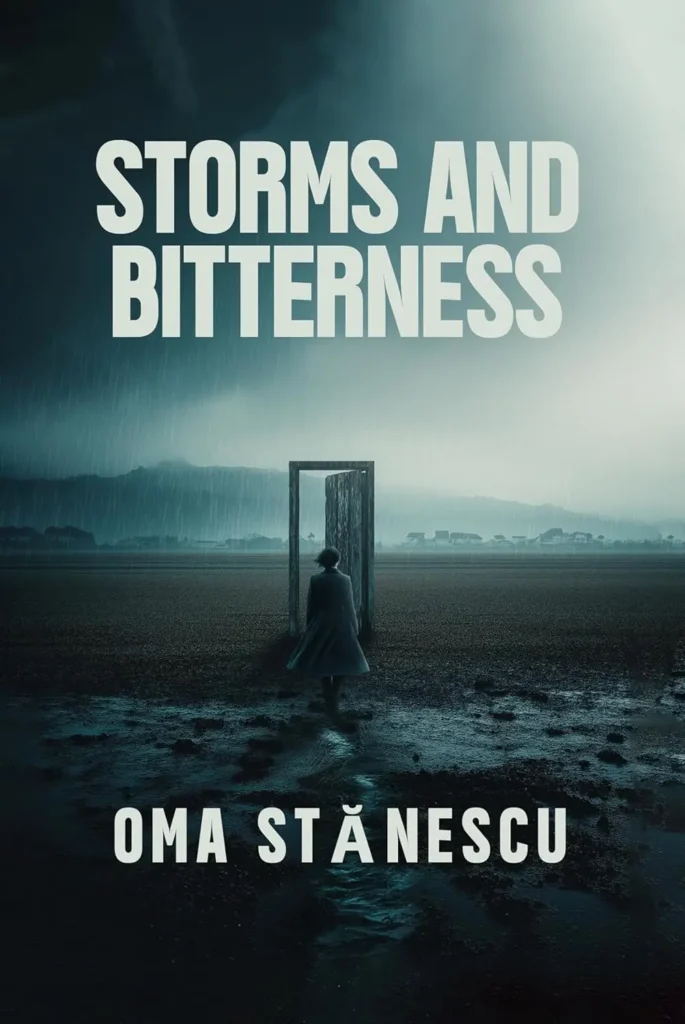
Storms and Bitterness is a raw, unflinching novel of love, betrayal, and survival—an emotional chronicle of a woman trapped in a marriage built on illusion, spiritual manipulation, and unrelenting emotional violence.
Set between Romania’s gray urban landscapes and the hauntingly vivid villages of the Buzău Mountains, the novel explores the collapse of a relationship marked by indifference, jealousy, and moral hypocrisy. Through six powerful chapters—Broken Hope, Alone Always, Contradictory Destinies, From the Country…, History Is Written Page by Page, and Adjacent Disputes—Oma Stănescu dissects family life in its most vulnerable and painful forms.
At the center of the story is a woman caught between devotion and disillusionment, struggling to protect her child while enduring psychological abuse, infidelity disguised as spirituality, and a world that excuses cruelty behind ideology and authority. Around her swirl vivid, often brutal characters—husbands, disciples, relatives, and villagers—whose actions expose the quiet violence embedded in everyday life.
With stark realism, biting dialogue, and moments of dark irony, Storms and Bitterness offers an unsentimental portrait of domestic misery, inherited trauma, and the long echo of suffering that passes from one generation to the next. There is no false redemption here—only truth, stripped bare.